

SEO
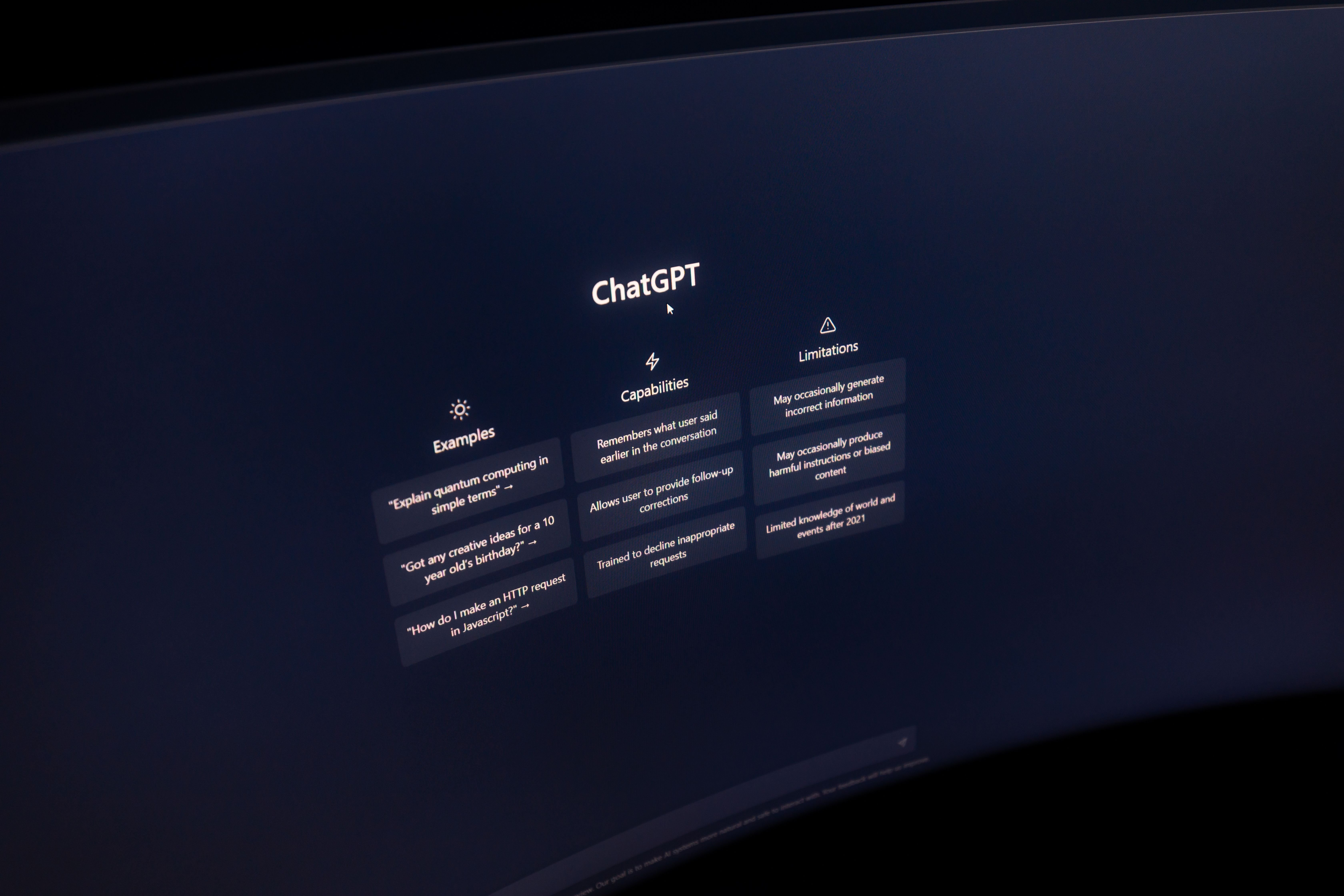

Have you noticed your website traffic taking a dip lately, even though your Google rankings haven't moved? You aren't imagining things. Over 58.5% of searches are now zero-click, and 83% of AI queries end right on the search results page without a single click to a website.
Take a Dublin-based accountant I recently spoke to. She ranked number one for "tax accountant Dublin" for years. Last month, she noticed a 40% drop in enquiry calls. When she searched for her own services, she saw why. A Google AI Overview answered the query directly, citing a competitor's article. Her business had become completely invisible.
Search itself is changing. People are turning to ChatGPT, Perplexity, and Google's AI Overviews instead of scrolling through blue links. If an AI generates an answer and cites your competitor, your business is essentially invisible to that customer.
Here is a practical guide to figuring out why your business is missing from AI search, and how you can become the trusted source AI engines actually want to cite.
For years, SEO meant one thing: getting your website onto page one of Google. Now, search is breaking into pieces. Your potential customers aren't just typing keywords into a search bar and scrolling through blue links. They are asking ChatGPT for recommendations, using Perplexity to research services, and reading Google's AI Overviews instead of clicking through to websites.
This shift is massive for Irish SMEs. A Belfast digital marketing agency recently warned that Google's AI Overviews feature has already reduced click-through rates by 25 to 60 percent for many queries. Even businesses sitting in the top three spots on Google are getting fewer visitors than they did a year ago.
To understand how to adapt, it helps to see exactly how these platforms operate differently.
| AI platform | How it works | Citation style | Impact on your business |
|---|---|---|---|
| Google AI Overviews (SGE) | Generates a summary at the top of search results. | Cites a few sources inline. | Steals clicks from your top-ranking pages. |
| ChatGPT Search | Conversational AI that browses the web to answer questions. | Can cite sources or just give an answer without links. | Customers might get your competitor's name without ever visiting your site. |
| Perplexity | An answer engine built specifically to cite sources. | Provides direct citations and links. | A big opportunity to get direct referral traffic if you are cited. |
Let's look at how people actually use these tools. When someone searches on Google, they get a list of ten options and choose where to click. When someone asks ChatGPT or Perplexity for a recommendation, the AI just gives them a direct answer. It usually only cites two or three sources. If your business isn't one of those three sources, you are completely invisible to that person.
Here is a quick look at how the user journey has changed:

Google's AI Overviews are now fully rolled out in Ireland. They are permanently changing the search landscape. Traditional SEO is still the crucial foundation. If your site is not technically sound and authoritative, AI engines will not trust you enough to cite you. However, ranking well on Google is no longer enough on its own. The real opportunity lies in taking that strong traditional SEO base and adapting it for the AI search environment, making your content easy for AI to quote and reference. The businesses that make this shift will capture the traffic that their competitors are losing.
You cannot fix what you cannot see. The first step is figuring out exactly where your business stands across the main AI search platforms. This quick audit will give you a clear picture in less than five minutes.
Open ChatGPT, Perplexity, and Google AI Overviews in separate tabs. Search for your exact business name in each one.
What to look for:
Does the AI know who you are?
Is the information accurate and up to date?
Are your services and location described correctly?
Many businesses discover that AI systems have outdated or completely wrong information about them. If the AI cannot describe your business accurately, it will not cite you when potential customers ask for recommendations.
Now search for your most valuable service or product keywords. Think about the phrases customers actually use when looking for what you offer. For example:
"accountant Dublin"
"plumber Galway"
"wedding photographer Cork"
What to look for:
Which businesses appear in the AI-generated answers?
Are you cited as a source?
Is a competitor cited instead?
If you are not appearing for these critical "money phrases", you are losing potential customers to whoever is being cited.
For each of your target keywords, note which sources the AI platforms are actually citing. Are they citing:
Your competitors' websites?
Industry directories or review sites?
Articles from publications like Silicon Republic or The Journal?
Forum discussions on Reddit or Boards.ie?
This reveals your true AI competitors. They might not be the same businesses you compete with on traditional Google.
Pick one of your key service pages or blog posts. Read it with a critical eye and ask yourself:
Is the main answer or key fact stated clearly in the first paragraph?
Are there sections that could be easily extracted as a quote?
Is the content structured with clear headings and bullet points?
Would an AI be able to understand and quote this content easily?
If your content is not structured for extraction, even the best traditional SEO will not help you get cited.
Print this out or keep it handy on your phone for quick reference:
| Audit step | What to check | Done |
|---|---|---|
| Brand search | Search your business name in ChatGPT, Perplexity, and Google AI Overviews. Is info accurate? | ☐ |
| Money phrases | Search for your top 3 service keywords in each AI platform. Are you cited? | ☐ |
| Competitor analysis | Who is being cited for your target keywords? Are they traditional competitors? | ☐ |
| Content structure | Pick a key page. Is the main answer clear and extractable? | ☐ |
| Overall visibility | Do you appear in AI answers for your brand name? For your services? | ☐ |
Once you complete this quick audit, you will have a clear picture of where you stand. You might be surprised by what you find. Many Irish businesses discover they are completely invisible for their most valuable keywords, even when they rank well on traditional Google.
The good news is that once you know where you stand, you can start fixing the specific problems that are keeping you invisible. In the next section, we will look at the unseen reasons why your business is not showing up in AI search.
If your quick audit revealed that you are missing from AI search, you are probably wondering why. You might have a great website, plenty of good reviews, and solid rankings on traditional Google. So why is ChatGPT ignoring you?
The rules have changed. Here are three unseen reasons your business is currently invisible to AI, and what is really going on behind the scenes.
AI engines do not read your website the way a human does. They scan for clear, factual answers they can easily extract and quote. Your content might be full of the right keywords, but if it is not structured to be quoted, the AI will just move on to someone else.
Think about a Dublin law firm's website. The homepage might say: "We provide comprehensive legal services for individuals and businesses in all areas of law."
That sounds professional to a human, but an AI cannot do anything with it. It is too vague. There is no specific fact to extract.
Compare that to: "What areas of law does your Dublin practice cover? We specialise in family law, corporate law, and civil litigation."
This version is easily extractable. When someone asks ChatGPT for a family law solicitor in Dublin, the AI can pull that exact phrase and cite the firm. You have to make your content quotable, not just readable.
Traditional local SEO is brilliant for Google Maps. Having a well-optimised Google Business Profile and local directory listings will absolutely help you show up when someone searches for a plumber near them on Google.
The problem is that AI engines look for authority across the whole internet, not just local directories. They want to see that your business is mentioned and respected on platforms they already trust.
This is a big challenge for Irish SMEs. AI engines often have less training data specific to the Irish market, making it harder for them to recognise local authority. They rely heavily on big, established platforms.
To fix this, you need to build authority on platforms AI engines frequently cite. That means publishing articles on LinkedIn, creating video content on YouTube, and getting featured in Irish publications like Silicon Republic or Business Plus. If AI engines see you talking about your expertise on the platforms they trust, they are far more likely to trust you enough to cite you in their answers.
AI engines crawl the web to build their understanding of who you are and what you do. They pull information from your website, your social media profiles, directory listings, and review sites.
If your business name, address, and phone number are different across these platforms, or if your services are described differently everywhere, the AI gets confused. When the AI is confused, it does not take a guess. It just ignores you and cites a competitor whose information is perfectly clear and consistent everywhere.
This is especially common for businesses operating across different counties or those that have rebranded recently.
The fix is to conduct a consistency audit. Make sure your core business information is identical everywhere it appears online. Then, use schema markup on your website. Schema is a type of code that speaks directly to search engines and AI, telling them exactly what your business is, what services you offer, and where you are located. It removes all the guesswork for the AI.
Now that we know why your business is invisible, it is time to fix it. You need a systematic approach to get AI engines to notice, trust, and cite your business.
At Hello Digital, we use a proprietary system called the C.I.T.E. framework. It is designed specifically for Irish businesses to build authority in the AI search era. Here is how it works.

AI engines look for clear, factual answers they can easily extract. You have to shift from writing for humans to writing for both humans and machines.
Tactic: Implement a "facts first" content strategy. Every key page on your site should have a dedicated section using bullet points or definition lists that clearly state what you do.
Example for a Cork-based plumber:
Emergency plumbing: 24/7 service for burst pipes, blockages, and heating failures across Cork City and County.
Boiler repair and installation: Specialists in high-efficiency gas and oil boilers. Bosch accredited installer.
Bathroom fitting: Full bathroom renovation projects, from design to completion.
This format is incredibly easy for an AI to read. When someone asks ChatGPT "What services does a plumber in Cork offer?", this list can be directly cited.
If AI crawlers cannot access your site, or if they cannot understand your code, you will remain invisible. Technical SEO is the foundation of AI visibility.
Action items:
Check your robots.txt file to ensure you are not accidentally blocking AI bots like GPTBot or PerplexityBot.
Implement comprehensive FAQ schema and Organization schema. This code speaks directly to AI, telling it exactly who you are and what questions your content answers.
Ensure your site loads quickly. AI bots crawl millions of pages. If your site is slow, they may abandon it before reading your content.
AI engines want to cite trustworthy sources. They look beyond your website to see who else talks about you. Building traditional backlinks is no longer enough. You need to build "AI authority".
Action items:
Get featured in Irish publications that AI engines frequently cite, such as Silicon Republic, The Journal, or Business Plus.
Publish thought leadership articles on LinkedIn. AI engines frequently pull information from LinkedIn because it is seen as a professional, trusted network.
Encourage customer reviews on platforms like Google and Trustpilot. AI engines use these to gauge sentiment and trustworthiness.
AI engines pay attention to what people are saying about you online. If your business is being discussed on forums, social media, or in industry round-ups, AI sees that as a strong signal of relevance.
Action items:
Publish original research or data about the Irish market. For example, "The state of AI adoption in Irish SMEs 2026". This gives other people a reason to talk about and link to you.
Participate in relevant discussions on platforms like Reddit or LinkedIn. Answer questions genuinely and let people see your expertise.
Create shareable visual assets, like infographics or short videos, that other websites will want to embed. Every mention is a signal to AI that your business matters.
You cannot improve what you do not measure. The old SEO metrics like tracking your position on page one do not tell the whole story anymore. You need to start tracking how visible you are in AI generated answers.
Here are the new metrics that actually matter for your business:
AI citation count: Start tracking how often your business is mentioned or cited in AI answers for your target keywords. You can do this manually by running regular searches in ChatGPT and Perplexity, or by using emerging tools designed to monitor AI visibility.
AI referred traffic: Open Google Analytics 4 and create a custom report for referral traffic from platforms like chatgpt.com or perplexity.ai. If you start seeing traffic from these sources, you know your optimisation efforts are working.
Share of voice in AI answers: Look at how often you are cited compared to your competitors. If they are consistently getting the mentions, you know you have more work to do on your authority signals.
It is important to set realistic expectations. AI SEO is not a quick fix. You might see initial improvements in your citations within two to three months, but building the kind of authority where AI engines consistently cite you takes six to twelve months of consistent effort. The key is to keep publishing quotable content and building your authority across the web.
Traditional SEO focuses on getting your website to rank in the top ten blue links on Google. AI SEO, or Generative Engine Optimisation (GEO), focuses on getting your business mentioned and cited inside the AI generated answers on platforms like ChatGPT, Perplexity, and Google AI Overviews. You need both, because traditional SEO provides the technical foundation that AI SEO relies on.
It usually takes between two to three months to see initial improvements in your AI visibility. However, building the kind of authority where AI engines consistently cite your business takes six to twelve months of consistent effort. AI search is a long term strategy, but the businesses that start now will capture the market share that competitors are losing.
Yes. Google is still the biggest search engine in Ireland, and AI platforms often use traditional Google rankings and signals as a starting point for their own recommendations. If your site is technically sound and ranks well on Google, it builds the trust needed for AI engines to cite you. AI optimisation builds on top of your traditional SEO, it does not replace it.
You can use AI tools to help draft content, but you should not rely on them completely. AI engines are designed to favour content that shows genuine human experience and expertise. If your content is just recycled AI text, it lacks the unique insights and real world case studies that make a business quotable. Always add your own human perspective and data.
In the AI era, visibility is not just about ranking number one. It is about being the trusted source that AI engines choose to cite. For Irish businesses, this is both a challenge and a massive opportunity to capture market share from slower competitors.
At Hello Digital, we have the expertise to help you make this shift. As a Dublin-based consultancy led by a former member of the Google Search Quality team, we understand how these algorithms evaluate and rank content from the inside out. We do not just follow trends. We know what the machines are looking for.
Do not let your business become invisible. Book a free AI visibility audit with Hello Digital today. We will diagnose exactly where you stand across Google SGE, ChatGPT, and Perplexity, and give you a clear roadmap to becoming the cited authority in your Irish market.
The businesses that will thrive in the AI era are not those with the most keywords, but those with the most quotable answers. Will yours be one of them?
Alessandro Boscolo Conway — Hello Digital
I'm a Dublin-based freelance SEO and digital marketing consultant with over 20 years of experience, including time on Google Ireland’s Search Quality team.
I run Hello Digital, a consultancy that helps startups and small businesses across Ireland grow online through clear strategy, expert delivery, and practical support.
I've worked with over 50 Irish companies to improve their visibility, generate better leads, and grow sustainably through SEO and digital marketing.
I'm a certified Google Partner and a trusted advisor to e-commerce brands, local services, and fast-growing startups.
- Based in Dublin, 20+ years of experience
- Former Googler, certified Google Partner, SEO strategist, and performance marketer
- Trusted by 100+ Irish startups, e-commerce brands, and local businesses
- Learn more about Hello Digital